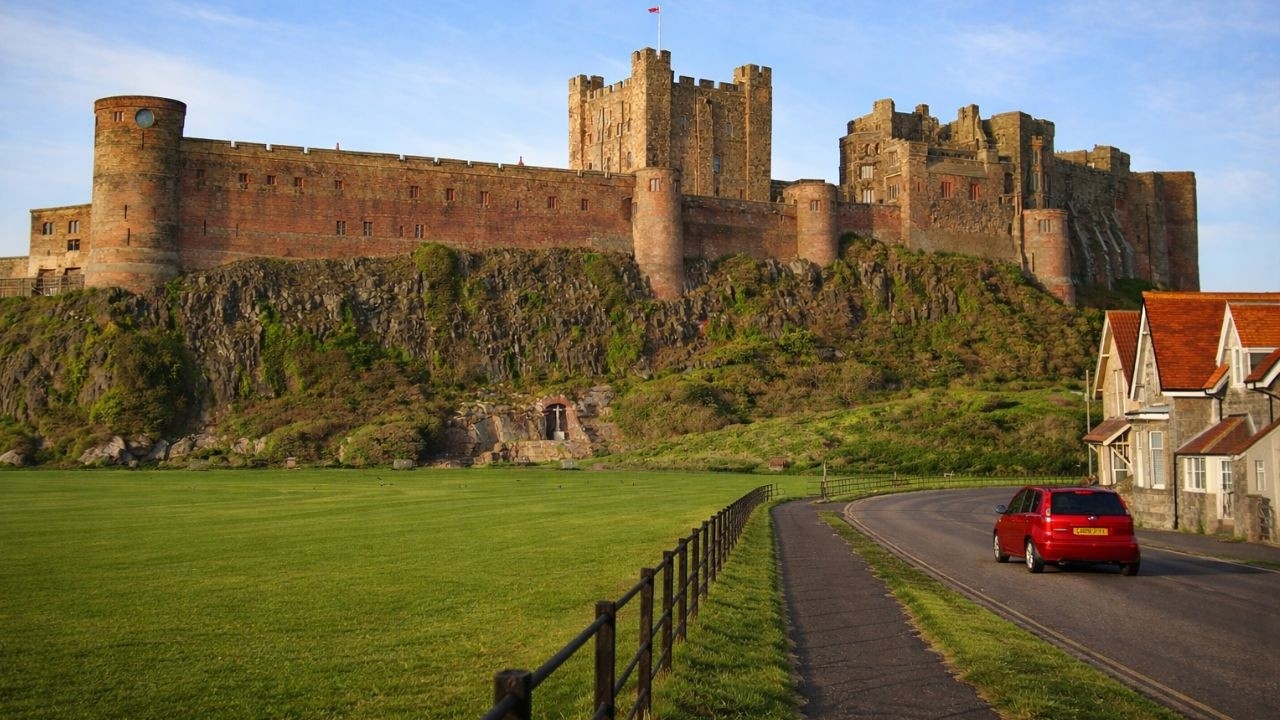
Standing at Hadrian's Wall, you can feel the weight of history in the air. The rugged stones, weathered by time and elements, stretch out before you, a testament to Roman ambition. The scent of damp earth mingles with the fresh breeze from the nearby fields. As you take a moment to absorb the surroundings, you hear the faint rustling of leaves and distant bird calls, setting a tranquil tone for your walk.
As you make your way along the path, the terrain shifts from the rocky edges of the wall to rolling hills dotted with sheep. You’ll wander through the lush green fields of Northumberland, where the sounds of nature replace the urban hustle. The path meanders past the small village of Once Brewed, where you'll catch glimpses of quaint cottages and local pubs. The light changes too, casting different shadows as the sun moves across the sky, enhancing the beauty of the landscape.
Keep an eye out for the uneven cobbles along some stretches of the path, which can be tricky if you're not careful. The route is mostly rural, so there’s minimal traffic, but be cautious of cyclists who might whiz past you. If you’re walking in the off-season, some facilities may have limited hours or be closed. It’s wise to keep your belongings secure, as pickpockets can sometimes be a concern in busier areas.
For this walk, sturdy footwear is essential - think hiking boots or well-treaded shoes to navigate the varied terrain. Bring water to stay hydrated, especially if it’s a sunny day, and don’t forget a light jacket or raincoat, as the weather can change quickly in this region. Early morning or late afternoon is ideal for a comfortable stroll, with the sun at a lower angle.
The best moment on this route happens just before sunset when the golden light spills across the landscape, illuminating the wall in a warm glow. As you approach Housesteads Roman Fort, take a moment to pause and soak it all in - the sun dipping below the horizon, painting the sky in shades of orange and pink, while the ancient stones stand sentinel, whispering stories of the past.