Walking from National Museum of Ireland to Samuel Beckett Bridge

in Dublin, Ireland

1.63 km
22 minutes walking
AB
National Museum of Ireland
ANational Museum of IrelandWikidata ↗
Samuel Beckett Bridge
BSamuel Beckett BridgeWikidata ↗

Standing outside the National Museum of Ireland, the air is filled with the faint scent of damp earth and polished wood from the museum’s entrance. You hear the soft chatter of visitors and the distant hum of traffic. The grand façade of the museum looms before you, adorned with intricate stone carvings that tell stories of the past. A gentle breeze ruffles your hair as you prepare to set off on your walk.

As you step onto Kildare Street, the mood shifts slightly. The buildings here are tall and stately, casting long shadows as the sun begins its ascent. You’ll pass by the lush greenery of St. Stephen’s Green, where the sounds of laughter and the rustle of leaves create a lively backdrop. Continuing down Grafton Street, the energy picks up; you’ll hear street performers strumming guitars and the clatter of heels on cobblestones. The air fills with the smell of fresh coffee and baked goods from nearby cafés, inviting you to pause for a moment.

Keep an eye out for the uneven cobbles as you navigate the streets; they can be a bit tricky underfoot, especially if you're not wearing sturdy shoes. Traffic can be heavy near the intersections, so be cautious while crossing roads. Be aware of pickpockets in busy areas like Grafton Street, and if you're planning to stop for a coffee, check the opening hours - some places close early in the evening.

For this walk, comfortable footwear is a must since you’ll be on your feet for about 22 minutes. Bring a bottle of water to stay hydrated, especially if you're walking on a sunny day. If it’s winter, don’t forget to layer up, as the wind can be brisk along the Liffey. Early mornings or late afternoons are perfect for this stroll, as the light casts a warm glow over the streets.

The best moment comes as you approach the Samuel Beckett Bridge. Just as you reach the water’s edge, the sun dips low, painting the sky in hues of orange and pink. The bridge, with its striking, curved design, seems to glow against the twilight. You can hear the soft lapping of the river as boats glide by, creating a serene conclusion to your walk.

Turn-by-turn directions

12 steps · pace ~4.5 km/h
  1. Set off
    53 m
    42 s
  2. Turn right at the end of the road
    196 m
    3 min
    0.25 / 1.63 km · 15%
  3. 💧First quarter done. If it's hot, a sip of water now beats a gulp later.
  4. Turn right at the end of the road
    199 m
    3 min
    0.45 / 1.63 km · 27%
  5. Hang a right
    68 m
    54 s
    0.52 / 1.63 km · 32%
  6. Take a left
    229 m
    3 min
    0.74 / 1.63 km · 46%
  7. 🏁Halfway. Good moment to refill water or grab a quick coffee if you see one.
  8. Turn right onto Lombard Street East
    230 m
    3 min
    0.97 / 1.63 km · 60%
  9. Turn right onto Lombard Street East
    45 m
    36 s
    1.02 / 1.63 km · 63%
  10. Take a slight right onto Lombard Street East
    63 m
    51 s
    1.08 / 1.63 km · 66%
  11. Carry on along Lombard Street East
    13 m
    10 s
    1.10 / 1.63 km · 67%
  12. 🪜Three quarters. Legs may start protesting - the next bench is fair game.
  13. Hang a right
    Long stretch ahead - photo break, phone check, or just look around.
    460 m
    6 min
    1.56 / 1.63 km · 95%
  14. Take a left onto Samuel Beckett Bridge
    Final stretch. Slow down so you don't walk past the entrance.
    75 m
    1 min
    1.63 / 1.63 km · 100%
  15. 🏁
    Arrive at destination

Local-script names show how they're signposted. The ≈ line shows a rough Latin transliteration to help with pronunciation. Times assume a steady ~5 km/h walk; add 15-20% in summer heat, on hills, or in crowds.

Open in the planner Customise this route or add more stops →
See Dublin street previews

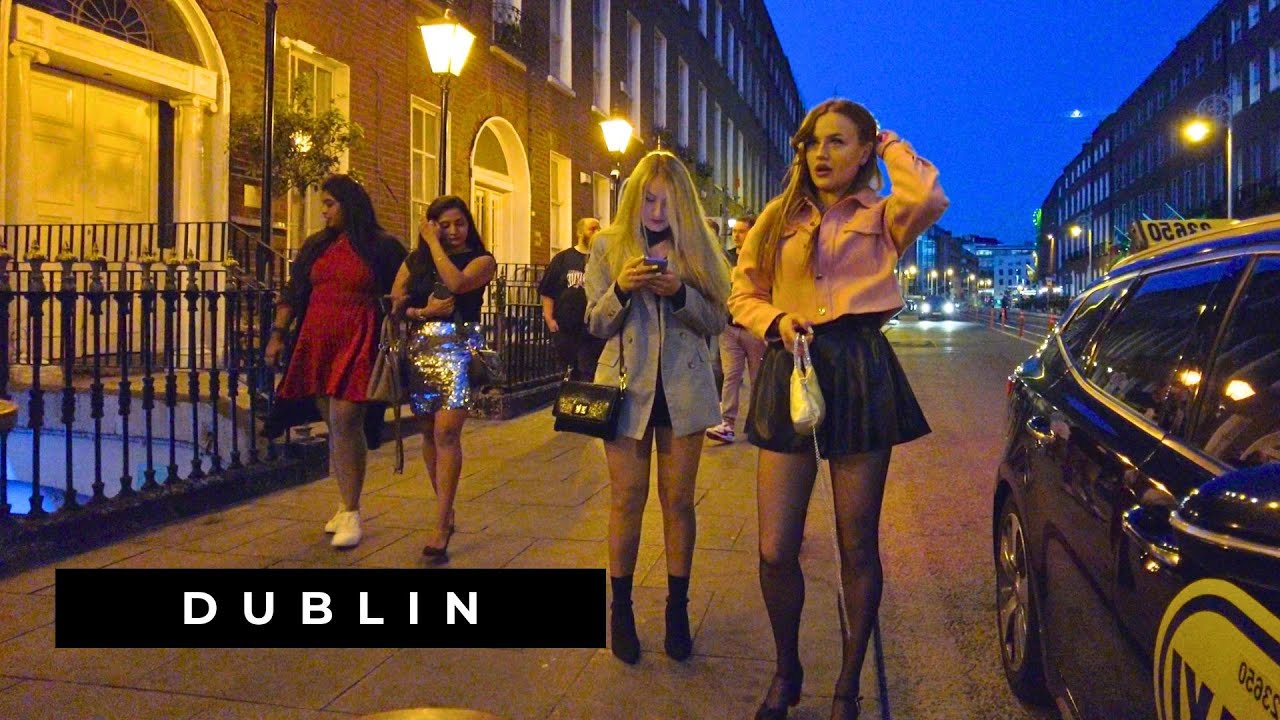
Watch Dublin streets before you walk

Ambient first-person walking videos of Dublin. Same streets, real sound. Pick a season or time-of-day to preview the route.

Watch Dublin during the day
day · during the day
Watch Dublin during the day
Watch Dublin at night
night · at night
Watch Dublin at night
Watch Dublin in summer
summer · in summer
Watch Dublin in summer

Other walking routes in Dublin

Share this route

WhatsAppTelegramFacebookXRedditLinkedInEmail

Frequently asked questions

How long does it take to walk from National Museum of Ireland to Samuel Beckett Bridge?

About 22 minutes at a steady 4.5 km/h walking pace. Add 15-20% in summer heat, on hills, or if you stop for photos.

How far is National Museum of Ireland from Samuel Beckett Bridge on foot?

The walking route is 1.63 km following pedestrian paths. The straight-line distance is shorter but ignores buildings and one-way streets.

Is this walk suitable for casual walkers?

This 1.63 km route is an moderate walk - manageable for most people in normal shoes. The pedestrian path uses footpaths and side streets where possible, so it's safer than walking along main roads.

What streets does the route pass through?

The route in Dublin passes through Lombard Street East, Samuel Beckett Bridge. Street names are signposted in the local language.

What's the best time of day to walk this route?

For the best atmosphere on this stretch of Dublin, the day walking video gives the most accurate preview of light and crowds. In general, early morning or sunset minimises midday heat and gives softer light for photos.

Is the walking route free?

Yes - planning, viewing the route, and using our directions are all free. Watch out for paid entry to any specific landmark on the route (museums, archaeological sites) - those are separate from the walk itself.

Can I reverse the route and walk from Samuel Beckett Bridge back to National Museum of Ireland?

Yes - the same path works in reverse with the same distance and walking time. Some one-way streets only affect drivers, not pedestrians.

Walking pace assumed at about 5 km/h on level ground - hills, crowds, and stops will slow you down.

Walking-route geometry from OpenStreetMap contributors via FOSSGIS OSRM (data licensed under ODbL). Landmark data from Wikidata (CC0).