Walking from Gongju National Museum to Gongju Geumgang Railroad Bridge

in Baekje Historic Areas, South Korea

2.29 km
31 minutes walking
AB
Gongju National Museum
AGongju National MuseumWikidata ↗
Gongju Geumgang Railroad Bridge
BGongju Geumgang Railroad BridgeWikidata ↗

Standing outside the Gongju National Museum, you’re greeted by the gentle rustle of leaves in the nearby trees and the faint sound of water flowing in the river. The air carries a mix of earthy scents from the surrounding gardens and the museum's stone facade. As you take a moment to breathe it all in, the distant hum of traffic blends with the chirps of birds, creating a serene backdrop for your walk ahead.

As you set off, you’ll follow the path along the Gongju Stream, where the terrain gradually shifts from the manicured lawns of the museum to a more natural riverside. You’ll walk along the quiet streets lined with traditional Korean houses, each adorned with intricate wooden details. Continuing onto Geumgang-ro, the sounds of the city become more pronounced, with the occasional laughter from children playing nearby or the chatter of locals enjoying their day. The light filters through the trees, casting dappled shadows on the path as you approach the bridge.

Keep an eye out for uneven cobblestones along the riverside path, which can be tricky underfoot. Traffic can be a bit unpredictable when you reach the busier sections, so stay alert. If you stop at any stalls, be aware of the potential for language barriers, particularly if you're trying to ask about local snacks. Also, be mindful of your belongings, especially in crowded areas where pickpockets might lurk.

For this walk, sturdy footwear is essential since you'll be navigating both paved streets and natural trails. Bring a bottle of water to stay hydrated, especially on warmer days. Depending on the season, consider packing an umbrella or sunblock, as the weather can change quickly and the sun can be strong in the afternoons. If you can, aim for the early morning or late afternoon when the light is softer.

The best moment comes as you reach the Gongju Geumgang Railroad Bridge, just as the golden hour casts a warm glow over the landscape. The sunlight reflects off the water, creating a shimmering effect that dances in your view. Standing there, you can hear the gentle lap of the stream against the banks, a reminder of the peacefulness you’ve experienced throughout your walk.
Turn-by-turn directions

5 steps · pace ~4.5 km/h
  1. Set off
    217 m
    3 min
  2. Turn left at the end of the road
    209 m
    3 min
    0.43 / 2.29 km · 19%
  3. Turn right at the end of the road
    100 m
    1 min
    0.53 / 2.29 km · 23%
  4. 💧First quarter done. If it's hot, a sip of water now beats a gulp later.
  5. Hang a left onto 금강 자전거길
    Long stretch ahead - photo break, phone check, or just look around.
    1.77 km
    24 min
    2.29 / 2.29 km · 100%
  6. 🏁
    Arrive at destination

Local-script names show how they're signposted. The ≈ line shows a rough Latin transliteration to help with pronunciation. Times assume a steady ~5 km/h walk; add 15-20% in summer heat, on hills, or in crowds.

Open in the planner Customise this route or add more stops →
See Baekje Historic Areas street previews

Watch Baekje Historic Areas streets before you walk

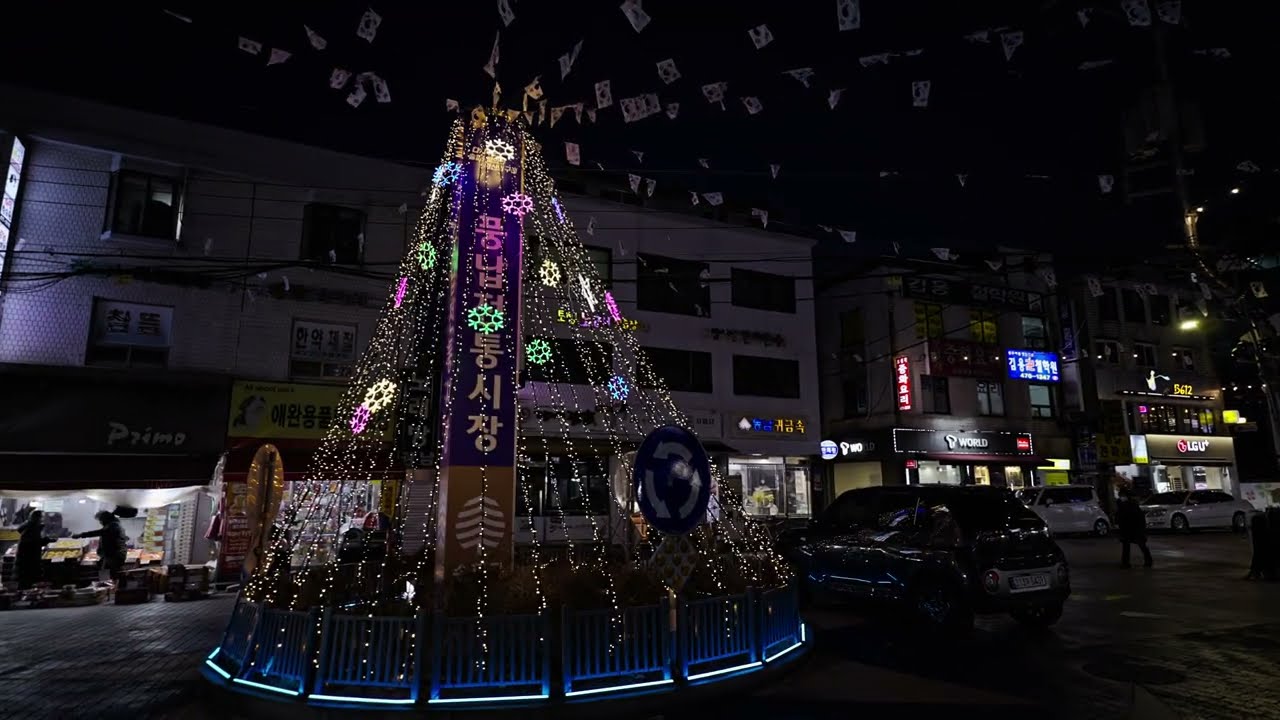
Ambient first-person walking videos of Baekje Historic Areas. Same streets, real sound. Pick a season or time-of-day to preview the route.

Watch Baekje Historic Areas during the day
day · during the day
Watch Baekje Historic Areas during the day

Other walking routes in Baekje Historic Areas

Share this route

WhatsAppTelegramFacebookXRedditLinkedInEmail

Frequently asked questions

How long does it take to walk from Gongju National Museum to Gongju Geumgang Railroad Bridge?

About 31 minutes at a steady 4.5 km/h walking pace. Add 15-20% in summer heat, on hills, or if you stop for photos.

How far is Gongju National Museum from Gongju Geumgang Railroad Bridge on foot?

The walking route is 2.29 km following pedestrian paths. The straight-line distance is shorter but ignores buildings and one-way streets.

Is this walk suitable for casual walkers?

This 2.29 km route is an moderate walk - manageable for most people in normal shoes. The pedestrian path uses footpaths and side streets where possible, so it's safer than walking along main roads.

What streets does the route pass through?

The route in Baekje Historic Areas passes through 금강 자전거길. Street names are signposted in the local language.

What's the best time of day to walk this route?

For the best atmosphere on this stretch of Baekje Historic Areas, the day walking video gives the most accurate preview of light and crowds. In general, early morning or sunset minimises midday heat and gives softer light for photos.

Is the walking route free?

Yes - planning, viewing the route, and using our directions are all free. Watch out for paid entry to any specific landmark on the route (museums, archaeological sites) - those are separate from the walk itself.

Can I reverse the route and walk from Gongju Geumgang Railroad Bridge back to Gongju National Museum?

Yes - the same path works in reverse with the same distance and walking time. Some one-way streets only affect drivers, not pedestrians.

Walking pace assumed at about 5 km/h on level ground - hills, crowds, and stops will slow you down.

Walking-route geometry from OpenStreetMap contributors via FOSSGIS OSRM (data licensed under ODbL). Landmark data from Wikidata (CC0).